


What is Local Anesthesia? A Comfortable Solution in Dental Treatment
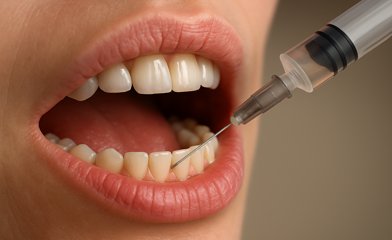
What is Local Anesthesia? A Comfortable Solution in Dental Treatment
Dental treatment is a source of fear (phobia) for many people. However, in nearly 90% of dental procedures, patients feel very little during treatment. This is because local anesthesia is used to numb the area being treated, ensuring that patients do not experience pain during dental procedures. Thanks to local anesthesia, patients can undergo both simple and more complex surgical treatments—such as root canal therapy, implants, sinus lift, and bone augmentation—without feeling pain or discomfort. It also helps patients who are afraid of dentists or who have had negative past experiences to receive treatment safely and comfortably.
Why is Local Anesthesia Used in Dentistry?
Local anesthesia helps patients stay calm, reduces anxiety, and improves cooperation during dental treatment. Since it is usually administered via injection, only the specific area of the jaw being treated is numbed. The patient remains conscious but does not feel pain, allowing them to feel relaxed and safe.
Thanks to this method:
- Pain and discomfort are minimized
- Long procedures become easier to tolerate
- Patients who tend to delay treatment feel more at ease during procedures
When is Local Anesthesia Preferred?
Local anesthesia is commonly used in dentistry for procedures such as root canal treatment, deep fillings, and surgical interventions to ensure the patient does not feel pain. It is especially preferred in the following cases:
- Patients with dental anxiety or fear
- Individuals with strong gag reflex or hypersensitivity
- Children or individuals with special needs
- Long and invasive procedures such as implants, surgical extractions, or root canal treatments
- Cases where multiple procedures are performed in one session
Types of Local Anesthesia
Local anesthesia is a method used to eliminate pain in a specific area of the body while keeping the patient fully conscious. It is widely used in dentistry, dermatology, minor surgical procedures, and ophthalmology or ENT interventions.
It is mainly classified into two types: infiltration anesthesia and topical (surface) anesthesia.
Infiltration Anesthesia (Injectable Local Anesthesia)
Infiltration anesthesia is applied by injecting a local anesthetic directly into the tissue where nerve endings are located. The targeted area becomes numb quickly.
It is the most commonly used type in dentistry. Procedures such as fillings, root canal treatments, tooth extractions, and implants are performed comfortably without pain using this method.
Characteristics:
- An injection is used
- Effect lasts approximately 2–4 hours
- Duration and strength depend on the type and dose of anesthetic
Topical Anesthesia (Surface Anesthesia)
Topical anesthesia is applied to the surface of the skin or mucosa in the form of gels, sprays, or creams. No injection is used. It is typically used for superficial procedures or to reduce discomfort before injections.
In dentistry, topical anesthetics are often applied to the gum before an injection to reduce needle pain.
Types:
- Spray: used in sensitive areas such as the mouth or nose
- Gel or cream: applied directly to gums or skin
Effect:
- Begins within 1–3 minutes
- Lasts only a few minutes
In our clinic, topical anesthesia is often used first, followed by injectable local anesthesia, ensuring a safe and comfortable experience for both children and adults.
Local Anesthesia in Implants and Root Canal Treatments
Implant treatment is a surgical procedure that may cause anxiety for many patients. In such cases, local anesthesia is used to maximize patient comfort.
Similarly, root canal treatment can also be stressful for some patients. However, under proper conditions and with local anesthesia, these procedures are performed painlessly and easily.
General Anesthesia is Different and Used When Necessary
In some cases, local anesthesia may not be sufficient. For example, in patients with severe dental phobia or individuals with disabilities, general anesthesia may be preferred. However, this is performed in a hospital operating room under the supervision of an anesthesiologist.
In general anesthesia, the patient is completely asleep and feels nothing. However, this method is reserved for special cases. For most patients, local anesthesia is safe and sufficient.
Is Local Anesthesia Safe?
Yes. When administered by a professional team and in appropriate doses, local anesthesia is a very safe method.
What Should Be Considered After Local Anesthesia?
After local anesthesia, patients often feel numbness in the cheek and reduced chewing ability. Therefore, it is recommended not to eat until the numbness wears off. As the effect fades, a tingling sensation may occur—this is completely normal.
No Pain During Dental Treatment
Local anesthesia is a life-changing solution for patients who fear dental treatment or struggle during procedures. It makes treatment easier and ensures both psychological and physical comfort. Procedures such as implants and root canals can be completed safely, comfortably, and without pain.

