What Are the Signs of a Failed Dental Implant?
What Are the Signs of a Failed Dental Implant?
Tooth loss can occur due to various factors. Besides aesthetic concerns, missing teeth may lead to jawbone resorption, chewing difficulties, and speech problems. For this reason, dental implants are considered one of the best solutions after tooth loss, and early treatment can often prevent the need for additional bone procedures.
Dental implant treatment is a surgical procedure and must be performed by experienced dentists using high-quality implants and properly matched prosthetic restorations. Otherwise, implant failure may occur.
Can Dental Implants Fail?
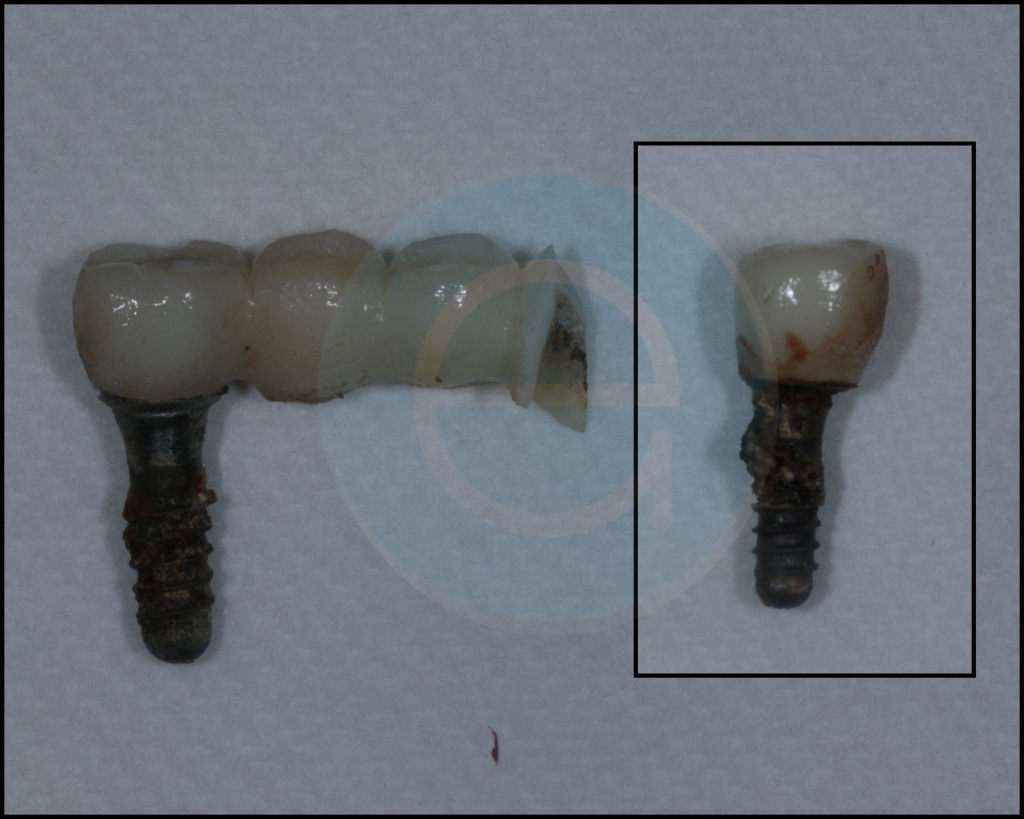
Yes. Implant failure can occur due to several factors, and the symptoms may vary from person to person. Common signs of implant failure include:
Pain and Discomfort
Persistent pain or discomfort around the implant area may indicate a problem.
Inflammation and Swelling
Swelling and inflammation in the surrounding tissues are common warning signs.
Bleeding
Some bleeding is normal after implant surgery, but excessive or prolonged bleeding may indicate failure.
Mobility or Loosening
Any movement or looseness of the implant is a serious sign of failure.
Bone Loss Around the Implant
Bone resorption around the implant may indicate poor integration or infection.
Gum Problems
Redness, swelling, bleeding, or gum recession around the implant area can signal complications.
Nerve Damage
If nearby nerves are affected during placement, symptoms such as numbness, tingling, or sensory changes may occur.
Bad Breath
Persistent bad breath may indicate infection around the implant site.
If any of these symptoms appear, it is important to consult a dentist as soon as possible.
Factors That Determine Implant Success
When performed by an experienced specialist, implant success rates are very high. Before surgery, 3D imaging (CBCT) is used to analyze the jawbone, and biocompatible, high-quality titanium implants are selected according to international standards.
Key success factors include:
Bone Quality and Quantity
Adequate bone structure is essential for stable implant integration. Poor bone quality or insufficient bone volume may lead to failure.
General Health of the Patient
Systemic conditions such as diabetes or smoking habits can negatively affect healing and reduce success rates.
Dentist Experience
Implant placement must be performed by a skilled and experienced dental professional who can ensure proper planning and execution.
Implant Type and Material
Titanium implants are widely used due to their biocompatibility and strong integration with bone tissue.
Correct Implant Positioning
Proper placement ensures both functional stability and aesthetic success.
Oral Hygiene and Maintenance
Good oral hygiene after implant placement is crucial to prevent infection and ensure long-term success.
Patient Compliance and Follow-up
Regular dental check-ups (typically every 6 months) and professional cleanings are essential for maintaining implant health and overall oral health.