What Is Toothache and Can It Affect the Body?
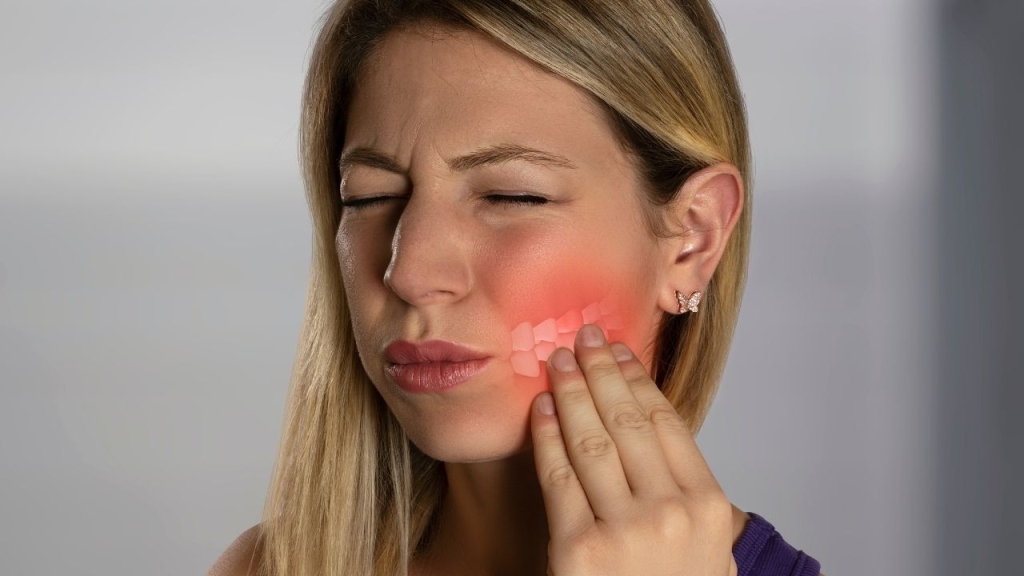
What Is Toothache and Can It Affect the Body?
Toothache is a reaction caused by damage or inflammation in the teeth and surrounding tissues. In some cases, inflammation that starts in the teeth can spread through different pathways in the body. Additionally, issues such as poor tooth function, incorrect bite alignment, or insufficient vertical dimension of the jaw can lead to joint pain. Increased pressure on the temporomandibular joint may also affect surrounding muscles and cause headaches.
When Does Toothache Cause Headaches?
Referred Pain
Dental problems such as toothache or gum inflammation can cause pain in different areas of the head. Nerves around the facial region can trigger headache symptoms.
Nerve Pathways
Toothache signals can travel through shared nerve pathways and be perceived as pain in different regions of the head.
Muscle Tension
During tooth pain, the body may respond with muscle tension. This tension can contribute to headache development.
Stress
Tooth pain can increase stress levels, and stress itself is a known trigger for headaches. Stress-related habits such as teeth grinding (bruxism) can also worsen dental problems and further contribute to headaches.
The Connection Between Toothache and Headache
The relationship between toothache and headache is complex, and each individual may experience different symptoms. If you have persistent tooth or head pain, it is important to consult a healthcare professional.
Dental or headache-related conditions can often be treated, but identifying the underlying cause requires proper clinical evaluation.