Everything You Should Know About Wisdom Teeth
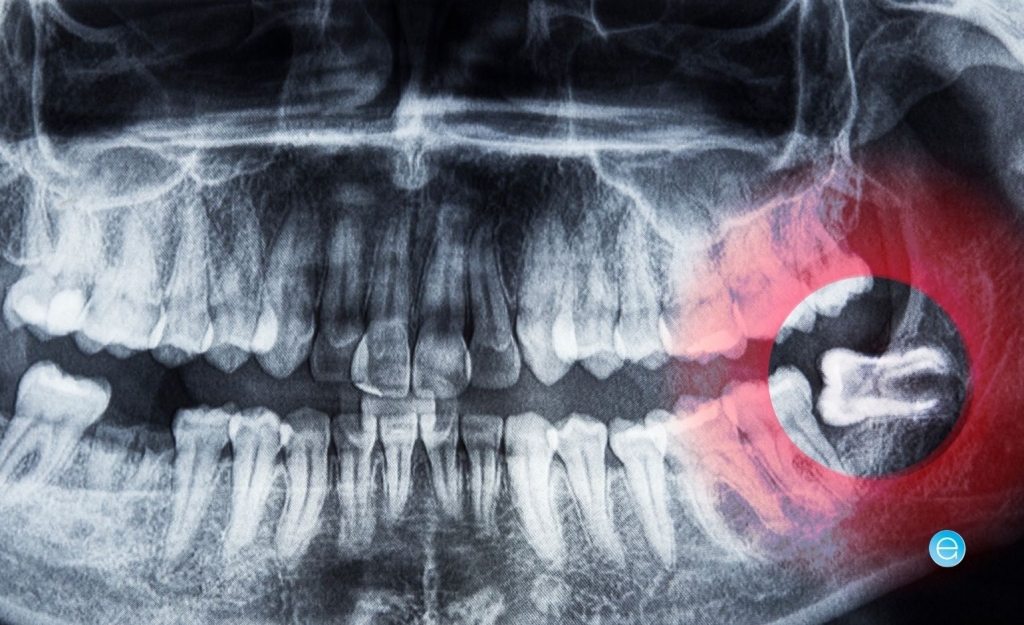
Everything You Should Know About Wisdom Teeth
Wisdom teeth are the third molars located at the very back of the mouth, usually erupting in the late teenage years or early twenties. They often raise many questions due to their impact on oral and overall health. Below you can find answers to the most frequently asked questions about wisdom teeth.
Why do wisdom teeth grow?
Wisdom teeth are evolutionary remnants that helped our ancestors chew coarse and fibrous foods. However, modern human jaws are smaller, so there is often not enough space for these teeth, which can lead to complications.
What is an impacted wisdom tooth?
An impacted wisdom tooth is one that fails to fully erupt because it remains trapped in the jawbone or gum tissue. This condition may cause pain, swelling, infection, or even decay in neighboring teeth.
Does wisdom tooth extraction hurt?
Wisdom tooth extraction is performed under local anesthesia, so no pain is felt during the procedure. Mild pain or discomfort after the extraction is normal. Your dentist may prescribe painkillers to manage recovery.
How long does recovery take after wisdom tooth extraction?
Healing usually takes about 7–10 days. Swelling and mild pain are expected during this period. Following your dentist’s instructions helps speed up recovery.
Why does wisdom tooth pain occur?
Wisdom tooth pain usually happens when the tooth erupts in the wrong position, remains impacted, or causes infection in surrounding tissues. It may also create pressure on neighboring teeth.
What is wisdom tooth surgery?
Wisdom tooth surgery refers to the surgical removal of impacted or improperly positioned wisdom teeth. It is typically performed by oral surgeons under local anesthesia.
What should be considered after wisdom tooth extraction?
- Bite the sterile gauze firmly for at least 20 minutes
- Do not replace the gauze after removing it
- Avoid eating until numbness wears off (at least 2 hours)
- Do not touch the extraction site
- Avoid hot foods for the first 24 hours
- Eat soft, cool or lukewarm foods (yogurt, soup, pasta, ice cream without pieces)
- Do not smoke for 24 hours
- Mild bleeding may continue for 6–24 hours
- Take prescribed painkillers before numbness fades
- Swelling may increase within 48 hours after surgical extraction
- Apply ice packs (10 minutes on, 30 minutes off) for the first day
- Limited mouth opening may occur for a few days
- Maintain oral hygiene after 24 hours; use antiseptic mouthwash from day 2
- If sutures are placed, they are usually removed after 7–10 days
- Take medications exactly as prescribed
Is wisdom tooth surgery risky?
It is generally a simple surgical procedure. Rare complications such as infection, bleeding, or nerve injury may occur. Therefore, it should be performed by an experienced dentist or oral surgeon.
Do wisdom teeth always need to be removed?
No. If a wisdom tooth erupts properly and does not cause pain, infection, or pressure on other teeth, it may not need extraction. However, removal is recommended if it causes:
- Recurrent infections or swelling
- Interference with orthodontic treatment
- Cysts or other serious complications
For more information or personalized treatment planning, consult your dentist. Early diagnosis helps prevent future complications.